The evolution of casinos A journey through time and culture
The evolution of casinos A journey through time and culture
Origins of Gambling and Early Casinos
The history of casinos can be traced back to ancient civilizations where gambling was prevalent. The earliest evidence of gambling activities dates back to around 3000 BC in China, where tiles were found that suggest the use of a rudimentary game of chance. Similarly, the Romans enjoyed games involving dice and betting on chariot races, showcasing that gambling has long been a part of human culture and leisure. These early forms of wagering laid the groundwork for the sophisticated gaming establishments we see today. In this context, it’s essential to consider the legal disclaimers in online gaming; for example, you can find useful information at https://crazytimelogin-bd.com/disclaimer/.
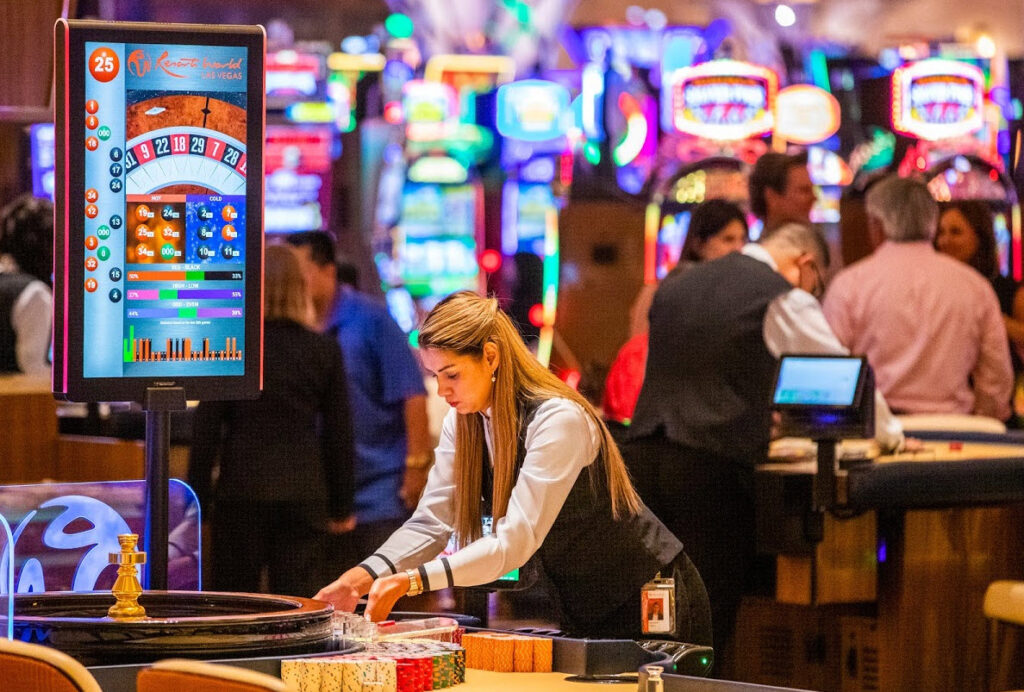
The concept of casinos as organized establishments began to take shape in the 17th century with the emergence of the first official gaming house in Venice, Italy, called the Ridotto. This venue catered to the elite and provided a controlled environment for gambling. It offered a variety of games, including card games and dice games. The Ridotto set a precedent for future gaming establishments by formalizing gambling rules and offering a regulated space for bettors, marking a significant evolution in the casino’s concept.
As societies evolved, so did the perception and legality of gambling. In the 19th century, the first modern casinos appeared in Europe, particularly in countries like France and Germany. These establishments featured games such as roulette and baccarat, becoming symbols of luxury and sophistication. The glamor associated with these early casinos attracted patrons from various social classes, ultimately leading to the proliferation of casinos across the continent and beyond.
The Rise of Casinos in America
The introduction of gambling in America can be traced back to the colonial period, where games of chance began to emerge in taverns and public houses. However, it wasn’t until the mid-20th century that casinos began to flourish. Las Vegas became the epicenter of casino culture, thanks in part to the legalization of gambling in Nevada in 1931. This pivotal moment allowed for the construction of extravagant resorts, turning Las Vegas into a premier destination for entertainment and gambling.
During the post-war period, Las Vegas witnessed a boom in casino development, with iconic establishments such as the Sands and the Flamingo opening their doors. These casinos featured lavish shows and attractions that drew in tourists from around the world. The glitz and glamour of the Las Vegas Strip became synonymous with the American casino experience, marking a cultural shift in how gambling was perceived. No longer just a pastime for the elite, casinos became accessible to the masses.
As the popularity of casinos grew, so did the competition. Other states began to legalize gambling, leading to the establishment of casinos in places like Atlantic City in New Jersey. This expansion not only transformed local economies but also created a cultural phenomenon that attracted millions of visitors. The evolution of casinos in America illustrates how gambling shifted from a clandestine activity to a mainstream entertainment option, significantly influencing American culture and tourism.
The Globalization of Casino Culture
The 21st century has seen the globalization of casinos, extending their reach beyond North America and Europe. With the advent of technology and the internet, online casinos emerged, allowing players from around the world to experience the thrill of gaming from the comfort of their homes. This digital transformation has revolutionized the industry, providing access to a broader audience and creating a new wave of gaming opportunities.
Internationally, countries such as Macau have become major players in the casino industry, rivaling Las Vegas as a premier gambling destination. The rapid growth of casinos in Asia has altered the global landscape, attracting high rollers and tourists seeking unique experiences. Casinos in Macau not only feature traditional games but also blend cultural elements, offering a distinctive atmosphere that reflects local customs and aesthetics.
Additionally, the rise of online platforms has led to the introduction of innovative games that cater to diverse audiences. Live dealer games, such as Crazy Time Live, offer immersive experiences that bridge the gap between traditional casinos and online gaming. This evolution continues to shape how gambling is perceived culturally, leading to a fusion of gaming styles and traditions that enhance the global casino experience.
Regulation and Responsible Gaming
As the casino industry has evolved, so too has the need for regulation and responsible gaming practices. Governments around the world have recognized the economic potential of casinos while also acknowledging the risks associated with gambling addiction. This duality has prompted the establishment of regulations that aim to protect consumers while promoting fair play. These measures include age restrictions, licensing requirements, and transparency in operations.
In addition to legal frameworks, the emphasis on responsible gaming has gained traction in recent years. Many casinos have implemented programs to educate players about the risks of gambling, offering resources for those who may need assistance. This proactive approach reflects a growing awareness of the social implications of gambling and the importance of creating a safe gaming environment.
Moreover, the rise of online casinos has heightened the focus on responsible gaming. Platforms often provide tools such as self-exclusion options and spending limits to empower players to manage their gaming habits. As the industry continues to evolve, the balance between entertainment and responsibility will be crucial in shaping the future of casinos worldwide.
The Future of Casinos: Technological Innovations
The future of casinos is poised to be shaped by technological innovations that enhance the gaming experience. With advancements in virtual reality and augmented reality, casinos can create immersive environments that transport players into new worlds. These technologies promise to revolutionize how games are played, blending physical and digital realms for an unparalleled gaming experience.
Additionally, data analytics is becoming increasingly important in understanding player behavior and preferences. Casinos can leverage this information to tailor experiences and offerings, making them more appealing to diverse audiences. By analyzing trends and patterns, casinos can not only improve customer satisfaction but also optimize operational efficiencies.
Furthermore, as the popularity of mobile gaming continues to rise, casinos are investing in mobile platforms that allow players to engage with their favorite games anytime, anywhere. This adaptability reflects changing consumer habits and the need for convenience in today’s fast-paced world. The integration of advanced technologies and consumer-centric approaches will undoubtedly define the future landscape of casinos.

Exploring Crazy Time Live and Its Cultural Significance
Among the many innovations in the casino landscape is the game Crazy Time Live, a prime example of the fusion of traditional gaming with modern technology. This game offers an interactive experience that engages players through live hosts and vibrant graphics, showcasing the evolution of online gaming. Crazy Time Live exemplifies how the industry has adapted to the digital age while maintaining the excitement of in-person gaming.
The cultural significance of Crazy Time Live lies in its accessibility, allowing a global audience to participate in an immersive gaming experience without the need to visit a physical casino. The game combines various elements of chance and skill, making it appealing to both casual players and seasoned gamblers. Its popularity reflects a broader trend toward interactive gaming that prioritizes player engagement.
As platforms continue to evolve, Crazy Time Live serves as a benchmark for future developments in the industry. The focus on user experience and cultural inclusivity in gaming will play a pivotal role in shaping the next chapter of casino history. This evolution not only highlights the adaptability of the gaming sector but also underscores the importance of understanding and embracing diverse cultures in the realm of gambling.